The Dispatch · Issue 028

Property, private capital, and the patience to operate them.

Founder and investor working across property, private capital, and a working journal of what I build, back and learn.

Where the friction is.

Property, private capital and regulated digital assets — and what I actually did in each.

Three markets have shaped how I work: property, private capital and regulated digital assets. What connects them is friction — the layers of intermediation that quietly decide who gets access to a market and who pays for the privilege. Almost everything I have built has been an attempt to engineer that friction out.

Real estate

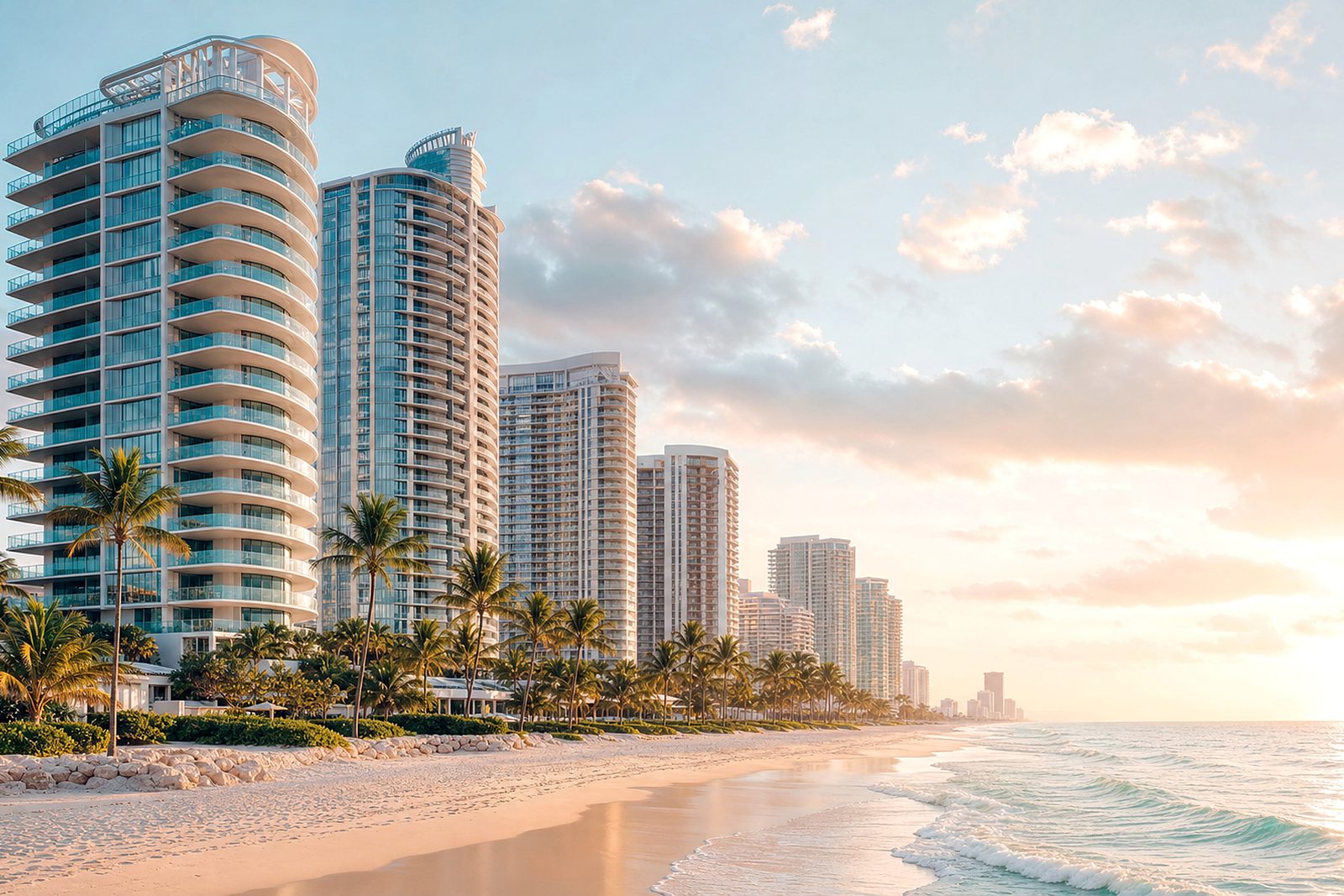
I have worked the full length of the property cycle — origination, brokerage, transaction, valuation and the unglamorous business of keeping an asset in good order. I co-founded Starling Properties, built it into a recognised name in Dubai’s prime market and guided it through to acquisition by a Middle Eastern conglomerate. With Dubai Fast Sell I moved to the other side of the transaction, building instant, data-backed offers that compress a months-long sales cycle into a single afternoon.

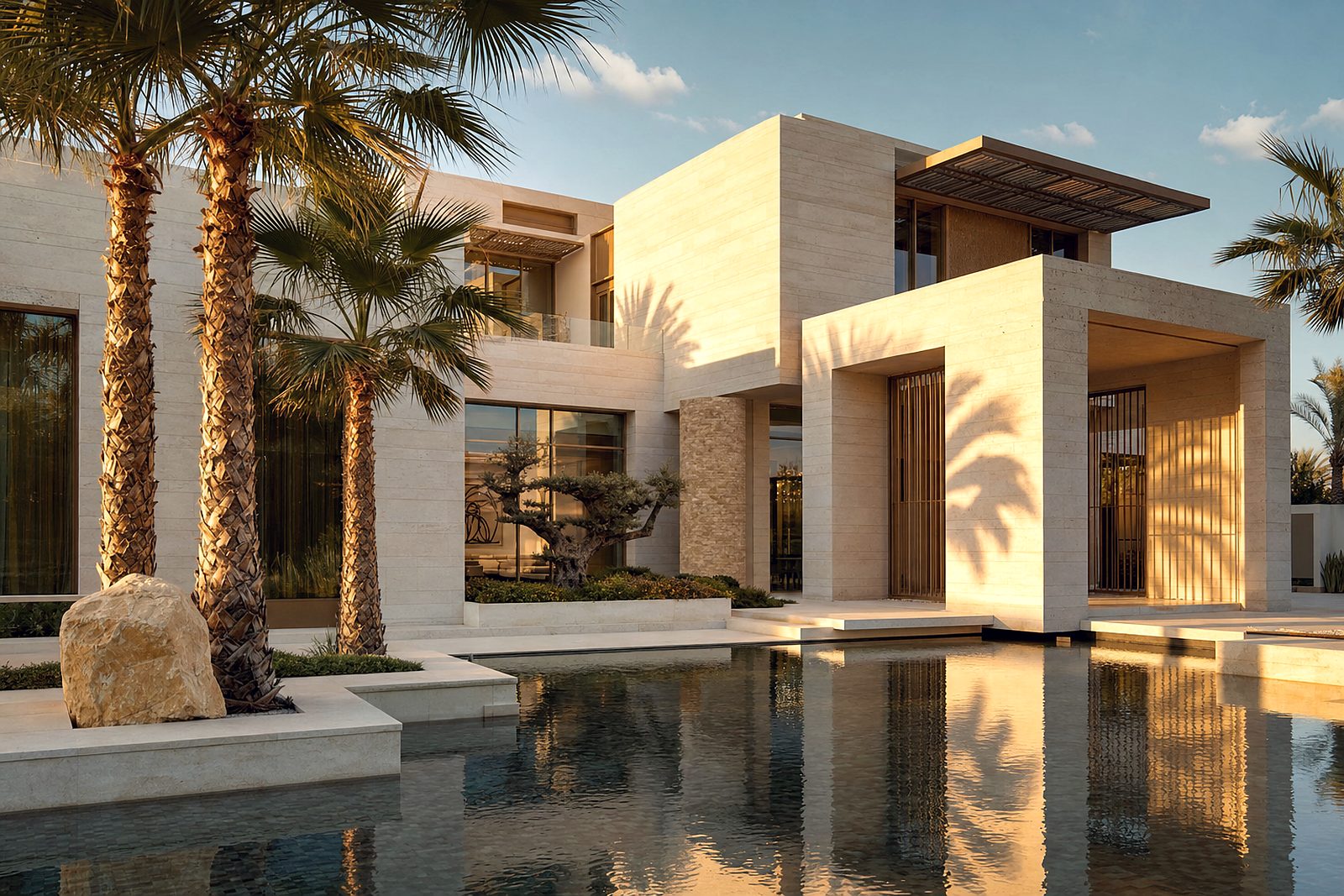
European Technical came from the ownership side. After years running a private residential portfolio across Palm Jumeirah, Bluewaters and JVC, I had a clear view of the gap: no single accountable maintenance provider, and therefore no one to hold to account. So I built one. It is a useful discipline — owning the operating burden teaches you things about a building that no valuation model will.

Investing

I back and build rather than trade. Every venture on this page was founded and operated first-hand, two of them through to exit. That shapes how I read a deal: I underwrite the operating burden alongside the entry price, because the cost of running an asset is where a return is usually won or quietly lost. AdVision Connect is the current expression of that thesis — treating an under-used screen in a rented apartment as a yielding asset rather than a fixture.

Digital assets & DLT regulation

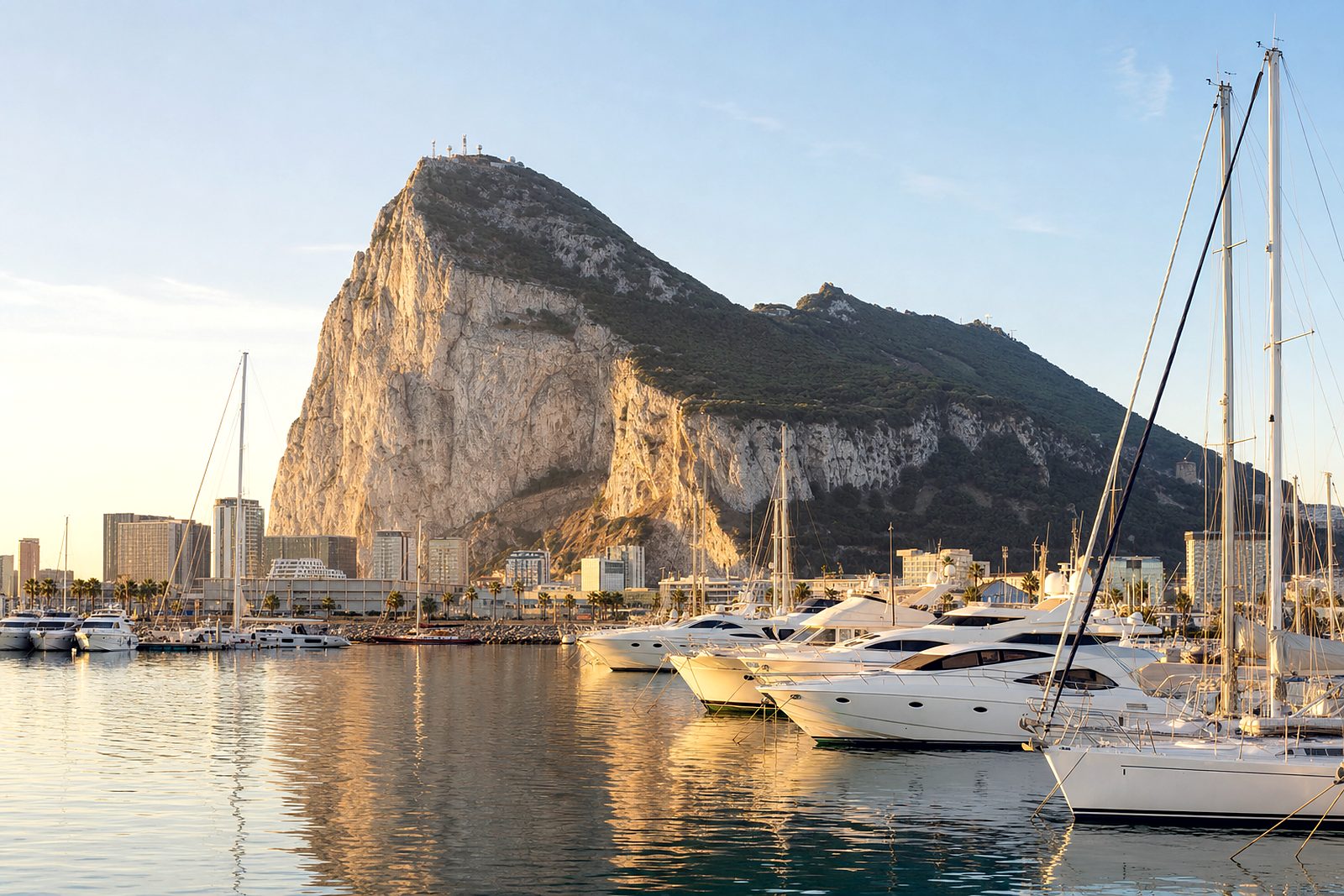
My work in distributed ledger technology began before the frameworks governing it existed. In 2017–18 I advised around the Gibraltar Blockchain Exchange during the rollout of Gibraltar’s DLT Provider framework — among the first purpose-built regulatory regimes anywhere for digital-asset exchanges and token sales. Alongside it I ran Crypto Gazette through the market’s formative years, decoding the technology while most coverage was still either evangelism or dismissal.

The lesson from that period has aged well: the jurisdictions that wrote sensible, enforceable rules early are the ones that still have an industry. Regulation was never the obstacle to this technology — ambiguity was.

Founded, operated, invested.

From performance marketing before 2014 to property services operating today. The role and the years are stated for each; two were carried through to exit.

The bloodline that reached Dubai.

A Warwickshire builder, 32 racehorses, and the stud farm that became the seed of Godolphin — a family thread that runs quietly through Dubai’s story, and into mine.

A racecourse at dawn, mist over the turf and a lone rider in the distance
Racecourse at dawn

A rarely-seen BBC profile of my grandfather, Jim “Jimmy” McCaughey — a Warwickshire builder who turned a construction fortune into one of the boldest racing operations in Britain, and then handed a piece of English turf history to the ruling family of Dubai.

He built the Heart of England group of companies out of Leamington Spa, and by the late 1970s he was one of the largest landowners in the country. Then he walked into racing at full tilt. He was spending so heavily at the Newmarket sales that the BBC put him on television as the face of the money pouring into bloodstock — and he was unrepentant about it, arguing on camera that a good colt was worth the price before he had ever run.

The yellow silks with the black diamond and sleeves went out over roughly 32 horses, placed with the best trainers of the day — Fred Rimell over jumps, Ryan Price, and a young Michael Stoute on the Flat. His bloodstock agent was David Minton, then of the Curragh Bloodstock Agency, who he met by chance at Warwick racecourse in 1977. The first horse Minton bought him, Connaught Ranger, won the Triumph Hurdle at Cheltenham the following March.

In 1979 he bought Harwood Stud at Woolton Hill near Newbury from Major Herbert Blagrave, and renamed it Gainsborough Stud after the 1918 Triple Crown winner buried in its paddocks. He kept Blagrave’s stud manager, Michael Goodbody, and set about stocking it with mares.

Then, in 1981, he sold it to Sheikh Maktoum bin Rashid Al Maktoum of Dubai. It was the Sheikh’s first stud in Britain. From those hundred-odd acres, Gainsborough grew into farms across England, Ireland and Kentucky, and after Sheikh Maktoum’s death in 2006 the bloodstock passed to his brother Sheikh Mohammed and into Godolphin — with echoes still visible in champions like the 2025 Kentucky Derby winner Sovereignty.
Centurius cost a reported 280,000 guineas (£294,000 at the time; roughly £2 million in today’s money) — Grundy’s full brother, bought to win a Derby. He never did. That was the shape of the whole adventure: enormous swings, some of which landed.

Money Programme · Full Featured Episode

Notes & essays.

Lessons from the field — building real estate, ad-tech and property-maintenance ventures out of Dubai.

Selected coverage.

Let’s connect.

Open to media, partnerships and conversations with global operators.